
You completed orthodontic treatment years ago, and for a long time your smile looked exactly the way you wanted. Then gradually, something changed. A lower front tooth started overlapping. A small gap reappeared. Maybe your bite no longer feels as balanced as it once did. If your teeth shifted years after braces, you are not alone, and you are certainly not the only adult asking what can be done about it.
Tooth movement after braces is far more common than most people realize. Teeth are not permanently locked in place. They are supported by bone and ligaments that respond to pressure, aging, and daily habits. Over time, even subtle forces can cause gradual changes in alignment. The important thing is that relapse is usually manageable, especially when evaluated early.
Why Do Teeth Move Years After Orthodontic Treatment?
After braces are removed, retainers are prescribed to maintain alignment while the surrounding bone stabilizes. In the first months after treatment, retainers are critical. Over the years, however, many patients reduce wear or stop using them altogether. Even small lapses can allow teeth to drift.
There are also biological and lifestyle factors that influence movement. The jaw continues to change slightly with age, especially in the lower front region. Grinding or clenching can apply repeated pressure. Gum health plays a role as well, since bone support is directly related to tooth stability. These changes are gradual, which is why many adults do not notice them until visible crowding or spacing appears.
Shifting does not mean your original treatment failed. It reflects the reality that alignment requires long term maintenance, just like any other aspect of health.
When Should I Be Concerned?
Not every minor change requires full orthodontic treatment again. Slight crowding that does not affect your bite or hygiene may simply need monitoring. However, certain signs indicate that an evaluation with an orthodontist in Vancouver is a smart next step.
If your bite feels uneven, if chewing feels different on one side, or if teeth are becoming harder to floss properly, those are functional concerns. Visible changes that affect your confidence are also valid reasons to seek advice. The earlier you address movement, the simpler and shorter corrective treatment tends to be.
What Can I Do If My Teeth Have Shifted?
The solution depends on how much movement has occurred and what your goals are. In many adult cases, correction is far less complex than the original treatment. Modern orthodontics offers targeted options that focus only on the area that shifted rather than repeating a full comprehensive plan.
- A new custom retainer to stabilize current alignment and prevent further movement;
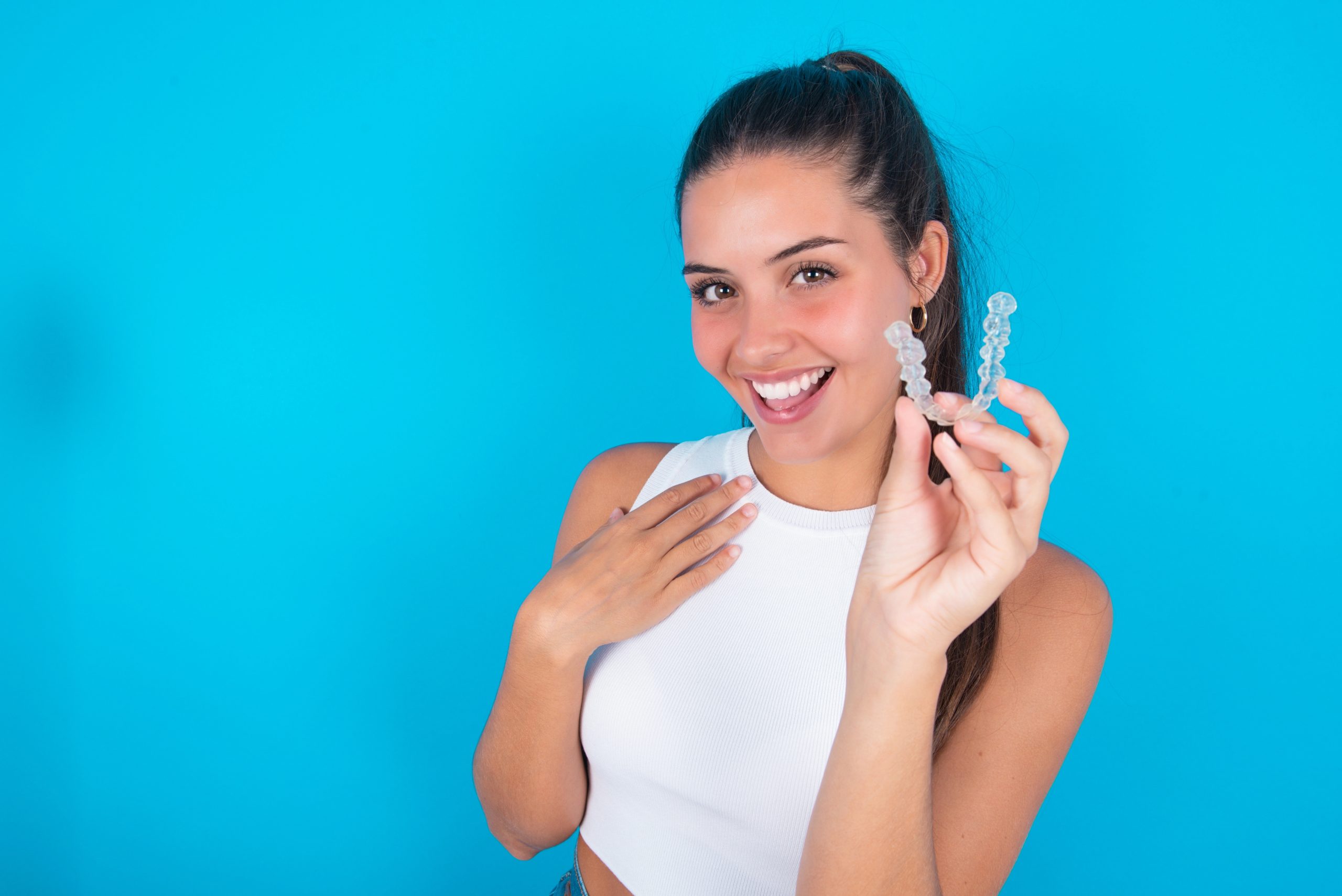
- Limited Invisalign treatment to correct minor crowding or spacing;
- Short term braces focused only on the affected teeth;
- Bite adjustments to reduce uneven pressure that may be contributing to shifting;
- A long term retention strategy to protect results moving forward.
Many adults are relieved to learn that treatment can be discreet and relatively quick, especially when the relapse is caught early. The key is receiving a personalized assessment rather than assuming the situation is irreversible or overly complicated.
Orthodontist In Vancouver: What Is The Best Next Step?
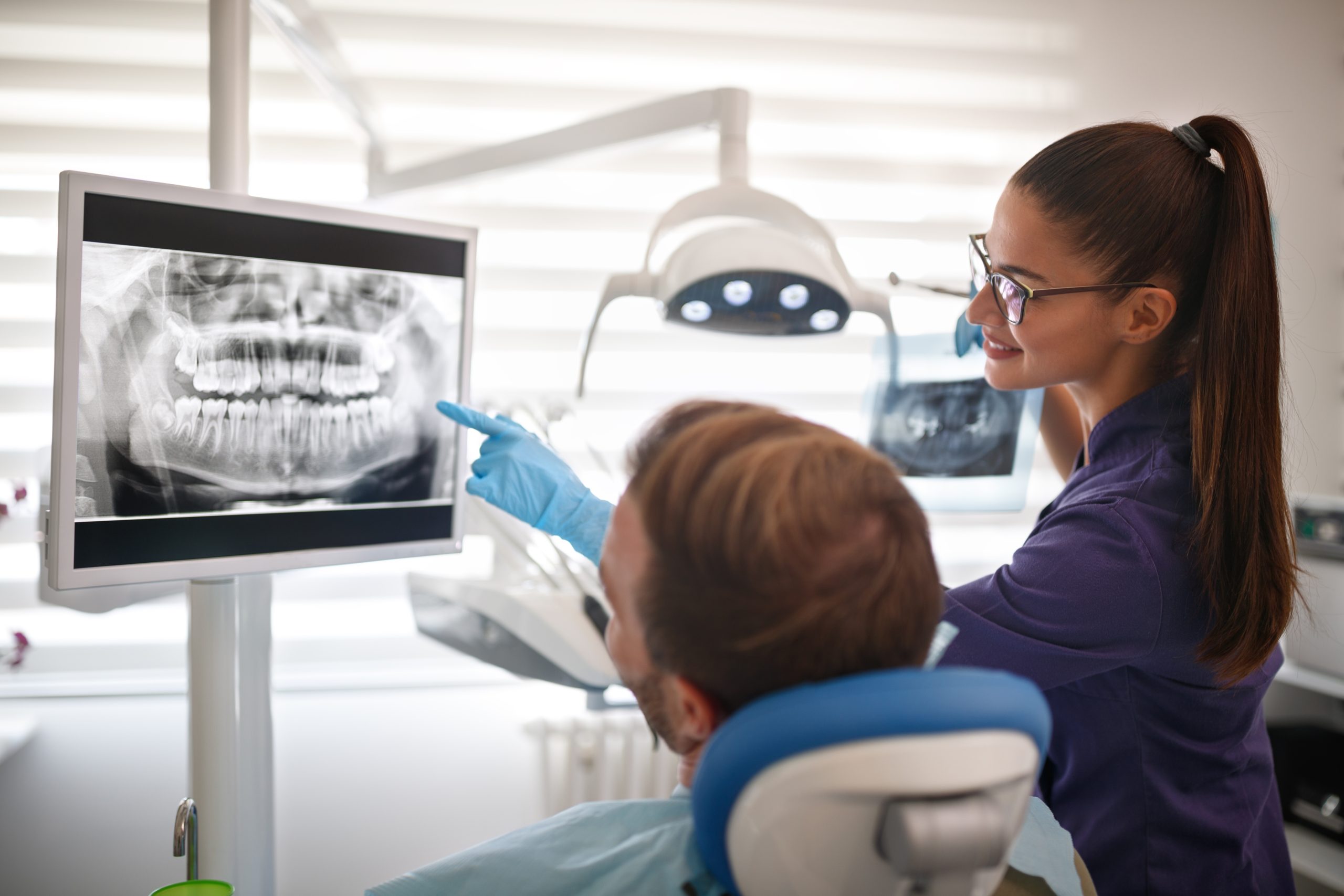
If you are noticing that your teeth have shifted years after braces, the most important step is scheduling a professional evaluation. An experienced orthodontist in Vancouver can assess your current alignment, evaluate your bite, and recommend a plan that fits your lifestyle and goals.
At PacificWest Dental Group, we frequently see adult patients who completed treatment years ago and simply need refinement or updated retention. Our team provides clear guidance and practical solutions designed specifically for adult orthodontic needs. Contact us today to book a consultation and explore your options for restoring and maintaining your smile with confidence.

Hello! I’m Dr. Kevin Lee, a certified orthodontic specialist at PacificWest Dental Group, proudly serving the vibrant communities of Vancouver and Surrey. My journey into orthodontics began back in high school. As a teenager wearing braces, I became fascinated by the intricate blend of art, engineering, and biology that defines this field. This early experience ignited a passion that has guided me throughout my career.
I pursued my academic journey at the University of British Columbia (UBC), where I earned a Bachelor of Science in Biochemistry in 2006, followed by a Doctor of Dental Medicine in 2011. After a year-long residency at Montefiore Medical Center in New York, I returned to UBC to complete a combined Master of Science in Craniofacial Biology and a Diploma in Orthodontics in 2015. That same year, I achieved certification from both the Royal College of Dentists of Canada and the American Board of Orthodontics.
With over a decade of clinical experience, I remain deeply committed to staying at the forefront of orthodontic advancements. At PacificWest Dental Group, we prioritize personalized treatment plans tailored to each patient’s unique needs, ensuring comfort and care every step of the way. Our goal is to help you achieve the smile you’ve always dreamed of in a welcoming and supportive environment.
Outside the clinic, I enjoy engaging with our community and staying active. Whether it’s through local events or outdoor activities, I believe in building strong relationships both inside and outside the office. I look forward to meeting you and working together to create a beautiful, confident smile.
Services we provide:
-Invisalign
-Braces
-Lingual Braces
-Digital treatment planning
-TMJ and headpain treatment
-Laser Therapy
-Sleep Apnea Oral Appliance
-Dysport Cosmetic Injectables