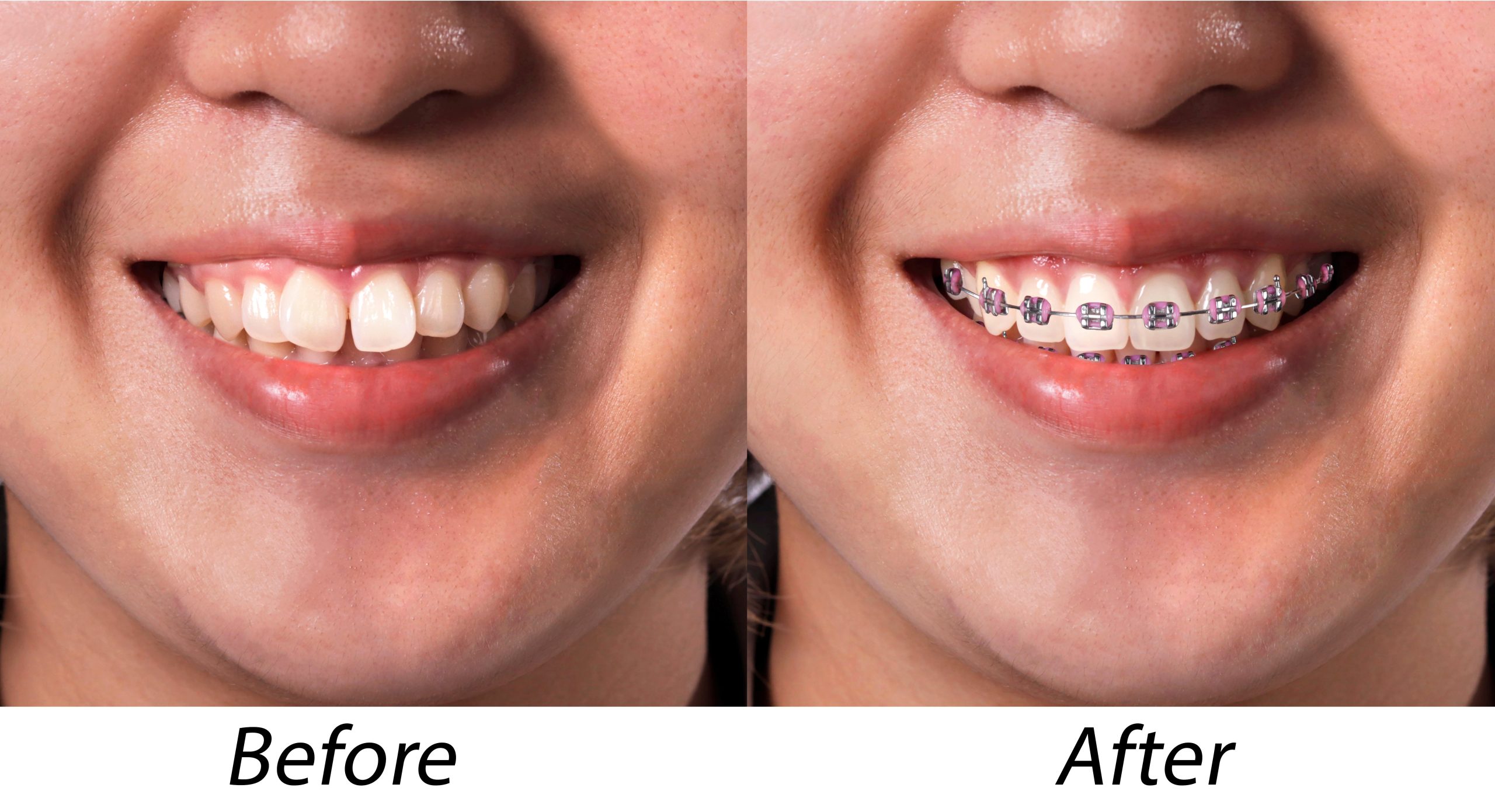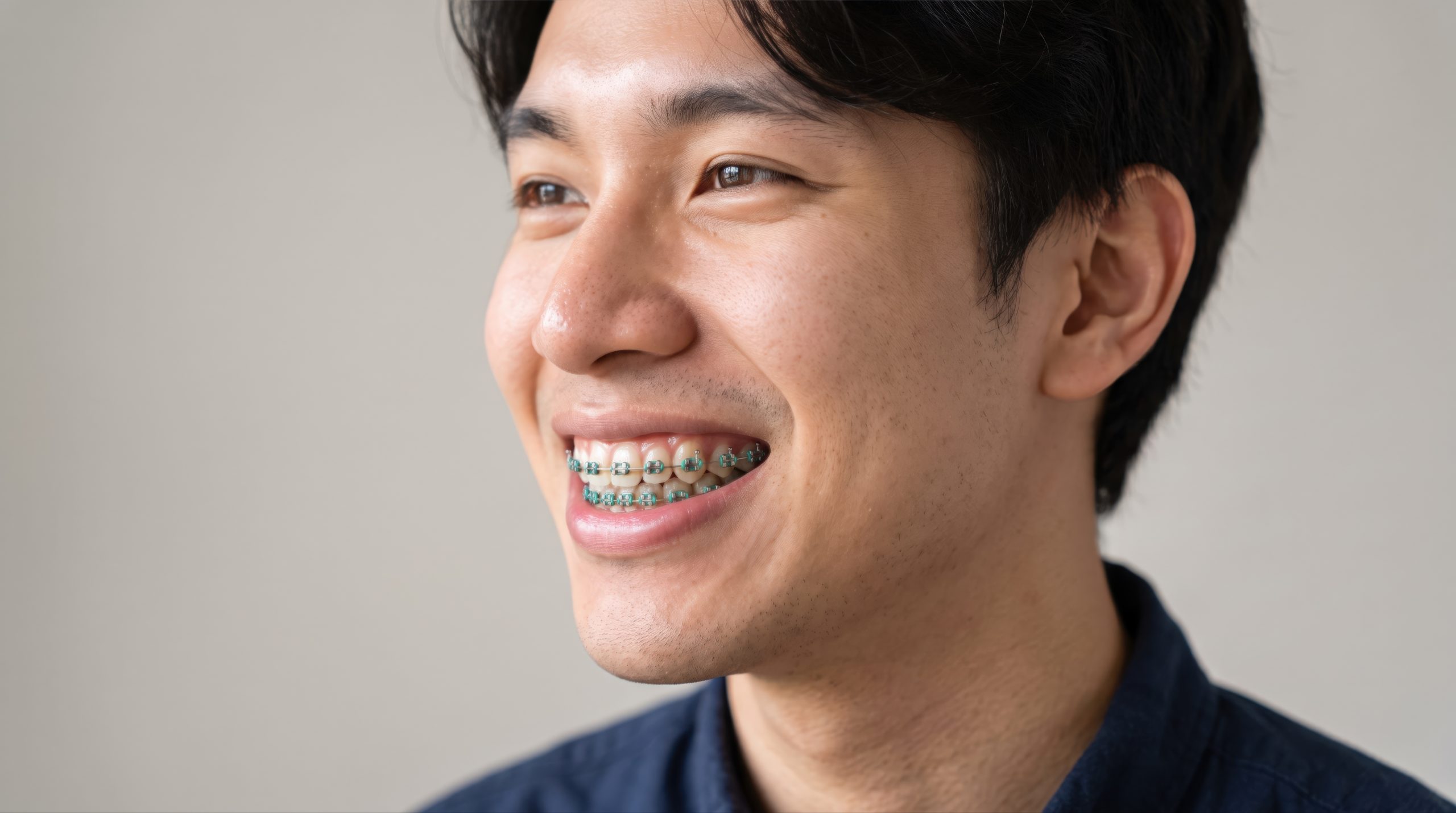

Starting Invisalign is usually imagined as a purely cosmetic process. Most patients expect straighter teeth over time and a more confident smile at the end. What surprises many adults in Vancouver is how much they begin noticing long before the dramatic visual changes happen. The first 90 days are filled with smaller shifts that are easy to overlook from the outside but very noticeable to the person going through treatment.
Some of these changes are physical. Others are behavioral or psychological. Certain habits become easier, while others suddenly require more attention. Many patients realize that Invisalign changes daily routines almost as much as it changes alignment. Understanding this early period realistically helps patients stay motivated and avoid the frustration that can come from expecting visible transformations too quickly.
Why The First 90 Days Feel So Different
The beginning of Invisalign treatment is less about dramatic cosmetic improvement and more about adaptation. During the first several weeks, your mouth, speech patterns, eating routine, and awareness of your teeth all begin to change simultaneously. Even patients who are excited about treatment are often surprised by how noticeable these adjustments feel at first.
One of the earliest things patients notice is increased awareness of their teeth throughout the day. Before treatment, most people rarely think about how their bite fits together or how often their teeth touch. Invisalign changes that awareness almost immediately. Small pressure shifts become more noticeable, especially during the first few trays, and many patients describe becoming far more conscious of clenching, grinding, or uneven bite pressure than they were before.
There is also a behavioral adjustment that happens quietly in the background. Meals become more intentional because aligners must be removed and cleaned properly before being reinserted. Snacking often decreases naturally, not because patients are trying to diet, but because the process of removing aligners repeatedly becomes inconvenient. Over time, these routine changes begin to feel normal, but during the first month they can feel surprisingly disruptive.
The Changes Patients Usually Notice First
What patients notice during the first 90 days is rarely what they expected before starting treatment. Most people focus heavily on visible alignment when imagining Invisalign, but the earliest differences tend to happen in comfort, routine, and self-awareness before they become obvious in photos.
- Many patients notice that certain teeth begin touching differently while chewing, even before visible straightening appears;
- Speech usually improves gradually after the first few weeks, but patients often become more aware of how they speak during meetings or conversations early on;
- Some trays feel significantly tighter than others, creating the impression that treatment suddenly accelerated even though the movement remains gradual;
- Oral hygiene routines often improve because patients begin brushing more consistently throughout the day;
- Patients who previously clenched or ground their teeth sometimes become aware of those habits for the first time because the aligners make the pressure easier to notice;
- Confidence often changes subtly before alignment does, especially once patients adapt socially and stop thinking constantly about the trays.
These changes are rarely dramatic individually, but together they create the feeling that something is steadily progressing, even during periods when visible cosmetic changes still seem minimal.
Why Some Patients Feel Discouraged Around The Second Month
One of the most common emotional patterns during Invisalign treatment happens around the second month. The excitement of starting treatment has faded, but the final cosmetic result is still far away. At this stage, some patients begin questioning whether enough progress is happening.
This usually has less to do with actual results and more to do with expectations. Invisalign works through small controlled movements, and visible changes often happen unevenly. One section of the smile may improve quickly while another appears unchanged for weeks. Patients who expect constant visible progress can start feeling impatient, especially if they compare themselves to edited timelines online.
What many orthodontists notice, however, is that this stage often corresponds with meaningful structural progress. Bite relationships begin shifting, pressure distribution changes, and space is gradually being created for future alignment. Even if those changes are not obvious in photos yet, they are essential to producing a stable result later in treatment.
What Makes The First 90 Days Easier
Patients who adapt most successfully during the first 90 days are usually not the ones with the highest pain tolerance or the strictest routines. They are the ones who understand that Invisalign is a gradual process and allow themselves time to settle into it naturally.
Consistency matters far more than perfection. Missing a few hours occasionally is not what causes problems long term. The real challenge is falling into repeated patterns of inconsistency without noticing. Patients who build realistic routines around work, meals, travel, and social activities usually experience far less stress than those trying to follow an unsustainably rigid structure.
There is also value in paying attention to smaller forms of progress. The first signs of successful treatment are not always dramatic visual changes. Sometimes they appear as improved comfort, easier cleaning, better bite balance, or simply feeling less self-conscious while wearing aligners.
Invisalign In Vancouver
At PacificWest Dental Group, we help Invisalign patients in Vancouver navigate every stage of treatment with clear guidance and personalized support. If you are considering Invisalign or want a treatment experience built around real life routines rather than generic expectations, contact PacificWest Dental Group to schedule your consultation today.

Hello! I’m Dr. Kevin Lee, a certified orthodontic specialist at PacificWest Dental Group, proudly serving the vibrant communities of Vancouver and Surrey. My journey into orthodontics began back in high school. As a teenager wearing braces, I became fascinated by the intricate blend of art, engineering, and biology that defines this field. This early experience ignited a passion that has guided me throughout my career.
I pursued my academic journey at the University of British Columbia (UBC), where I earned a Bachelor of Science in Biochemistry in 2006, followed by a Doctor of Dental Medicine in 2011. After a year-long residency at Montefiore Medical Center in New York, I returned to UBC to complete a combined Master of Science in Craniofacial Biology and a Diploma in Orthodontics in 2015. That same year, I achieved certification from both the Royal College of Dentists of Canada and the American Board of Orthodontics.
With over a decade of clinical experience, I remain deeply committed to staying at the forefront of orthodontic advancements. At PacificWest Dental Group, we prioritize personalized treatment plans tailored to each patient’s unique needs, ensuring comfort and care every step of the way. Our goal is to help you achieve the smile you’ve always dreamed of in a welcoming and supportive environment.
Outside the clinic, I enjoy engaging with our community and staying active. Whether it’s through local events or outdoor activities, I believe in building strong relationships both inside and outside the office. I look forward to meeting you and working together to create a beautiful, confident smile.
Services we provide:
-Invisalign
-Braces
-Lingual Braces
-Digital treatment planning
-TMJ and headpain treatment
-Laser Therapy
-Sleep Apnea Oral Appliance
-Dysport Cosmetic Injectables