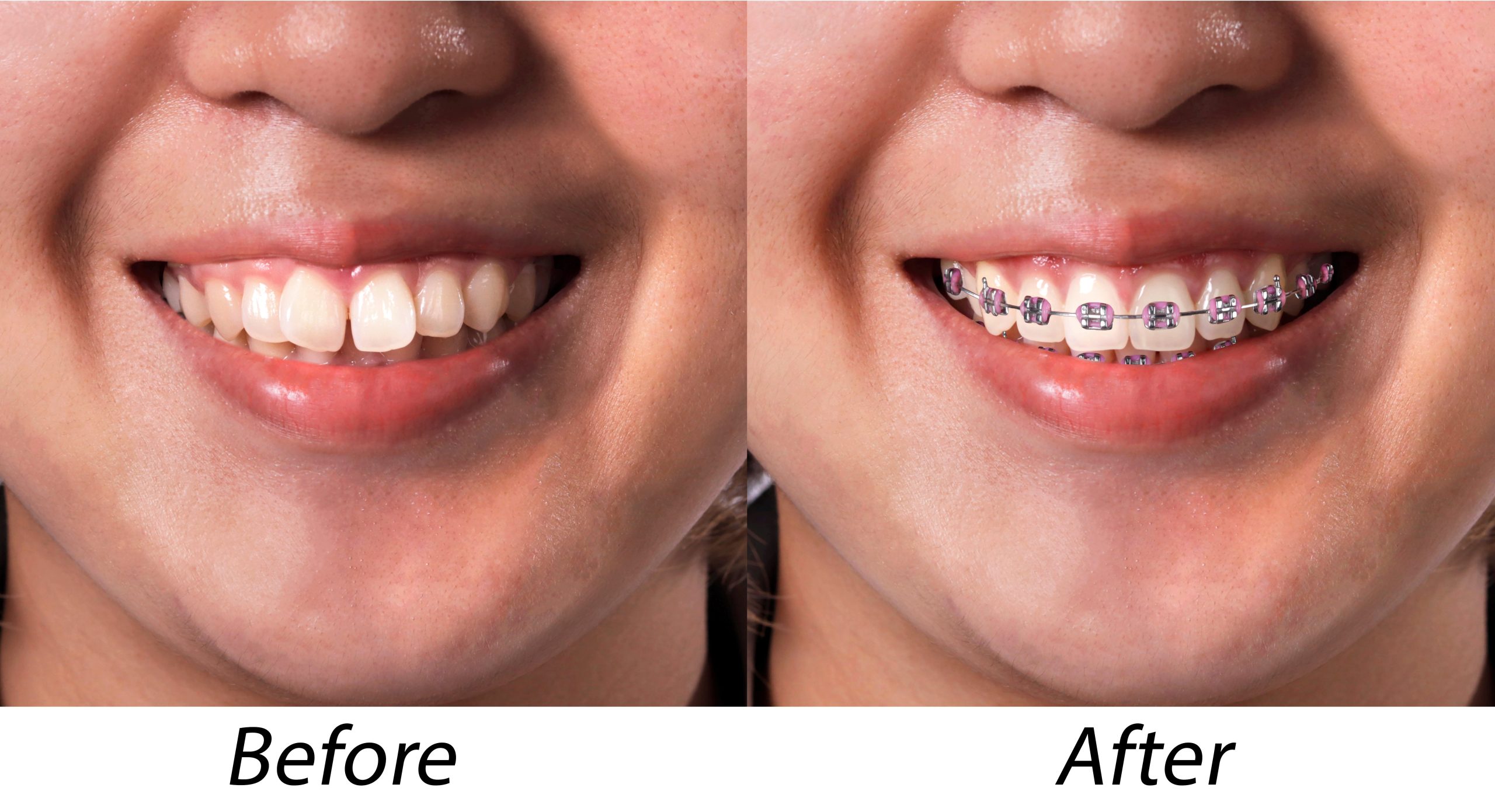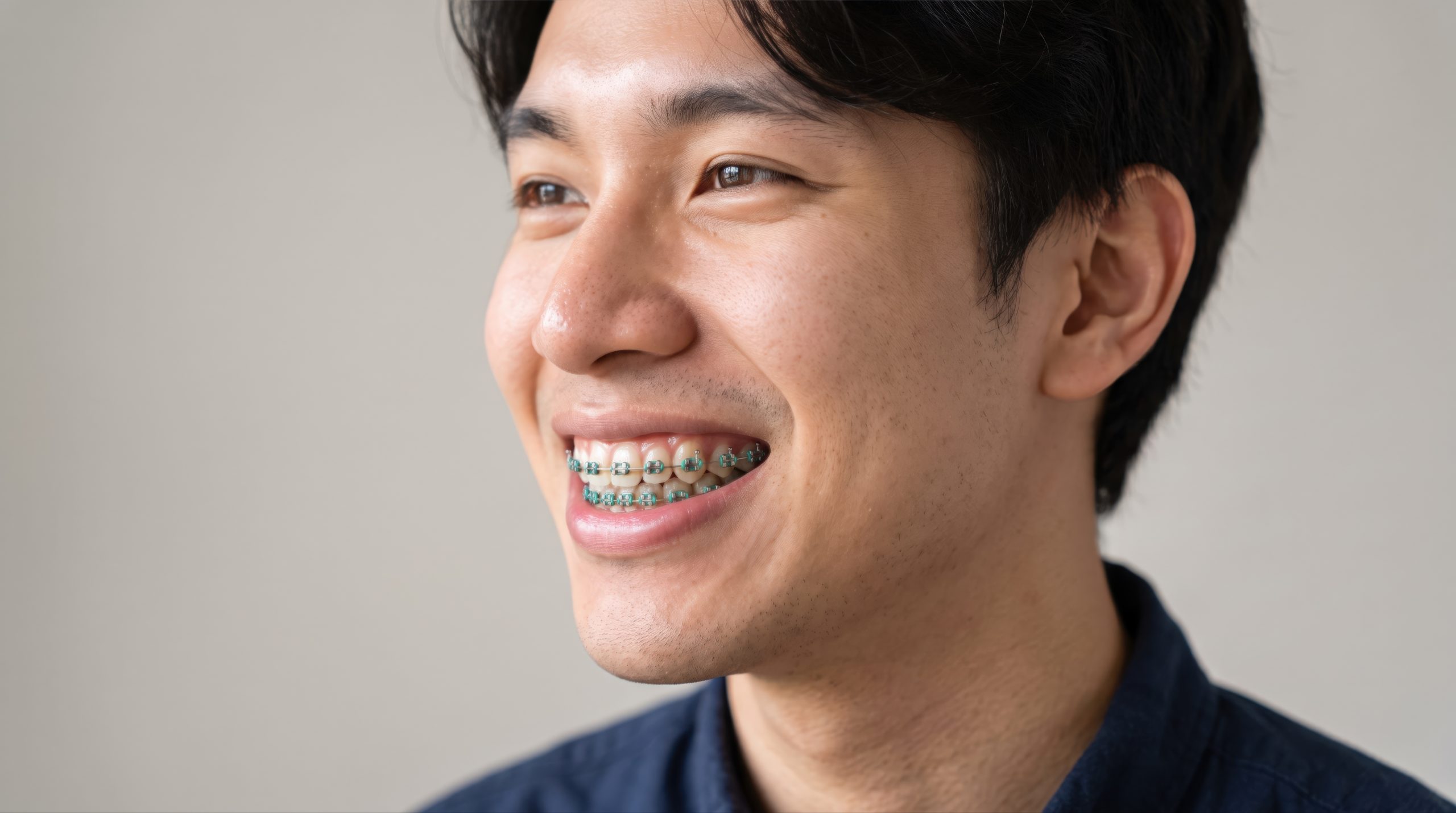

One of the most common questions orthodontists hear is, “Why hasn’t that tooth moved yet?” Patients often notice one specific tooth that still looks crooked, while other areas of the smile seem to be changing much faster. It can feel as though treatment has stalled, even though braces have been working continuously for weeks or months.
This is a completely normal part of orthodontic treatment. Teeth rarely move in the order patients expect because the goal is not simply to straighten what looks out of place. Every movement is part of a larger plan that considers the bite, jaw function, long-term stability, and the amount of space available for each tooth. Understanding that process helps explain why patience is often one of the most important parts of successful treatment.
Why The Most Visible Tooth Is Not Always The Priority
When patients look in the mirror, their attention naturally goes to the tooth that seems most out of alignment. Orthodontists look at the same smile from a very different perspective. Before that visible tooth can move into its ideal position, other changes often need to happen first.
A common example is crowding in the front teeth. While it may seem logical to straighten the crooked tooth immediately, there may not be enough room for it to move safely. Instead, the first stage of treatment may focus on widening part of the dental arch, correcting the position of neighboring teeth, or improving the bite relationship between the upper and lower jaws. Only after that foundation has been established can the more noticeable tooth begin moving efficiently.
We often explain this to patients by comparing it to rearranging furniture in a crowded room. If there is no space to move the largest piece first, smaller adjustments have to happen before everything fits where it belongs. Orthodontic treatment follows a similar principle. The sequence may seem unexpected, but every movement has a purpose.
Why Different Teeth Respond At Different Speeds
Even when several teeth are moving at the same time, they do not all respond at the same pace. Tooth movement depends on biology as much as mechanics, and every tooth presents a different level of resistance.
Front teeth usually have a different root shape than molars, and teeth that have been rotated or crowded for many years often require more complex movements than those making small positional corrections. Bone density, age, previous dental treatment, and even the direction of the required movement all influence how quickly progress becomes visible.
This is one reason orthodontists avoid making promises based solely on what patients can see in the mirror. Two people with smiles that appear almost identical may experience very different treatment timelines because the underlying biology is completely different. That is also why progress is evaluated through regular examinations rather than appearance alone.
The Changes Patients Usually Don't Notice
Some of the most important progress during orthodontic treatment happens in areas that patients rarely observe. While attention is naturally focused on the front teeth, orthodontists spend just as much time evaluating how the bite is developing and whether the teeth are moving in a healthy, balanced way.
Several types of progress may be happening long before obvious cosmetic improvements appear:
- Small spaces may be intentionally created between certain teeth to allow crowded areas to align later in treatment.
- Back teeth may be repositioned first so they can provide proper support for future movements in the front of the mouth.
- Bite relationships may improve gradually, reducing uneven pressure that could compromise long-term stability.
- Rotated teeth often begin by correcting their roots before the visible crown appears noticeably straighter.
- Teeth may move within the bone before changes become obvious from the outside, making progress feel slower than it actually is.
- The orthodontist may intentionally slow movement in one area while another part of the bite catches up, creating a more stable final result.
Patients are often surprised during review appointments when digital comparisons reveal improvements they had not noticed themselves. Looking in the mirror every day makes gradual changes difficult to appreciate because each day’s movement is extremely small.
Comparing Your Progress To Someone Else's Rarely Helps
Social media has made orthodontic treatment appear more predictable than it really is. It is easy to find before-and-after photos or monthly progress videos that create the impression every patient follows the same timeline. In reality, those images show only selected moments and rarely explain everything happening behind the scenes.
We often meet patients who become concerned because a friend with braces seems to be progressing faster or because they expected their smile to change sooner based on someone else’s experience. In almost every case, the comparison overlooks important differences. The severity of crowding, bite mechanics, jaw relationships, root position, and treatment goals all influence the order in which teeth move.
Orthodontic treatment is successful because it follows your biology rather than someone else’s. A sequence that would be ideal for one patient could produce a poor result for another. Understanding that helps shift the focus away from comparing timelines and toward trusting the overall treatment plan.
Braces In Vancouver
Watching your teeth move can be exciting, but it can also test your patience when the changes you expect are not the first ones to happen. Knowing that orthodontic treatment follows a carefully planned sequence rather than a purely cosmetic one makes the process easier to understand and helps explain why seemingly slow periods are often some of the most important.
If you have questions about your treatment or want to understand how your own braces plan is progressing, PacificWest Dental Group is here to help. Every smile develops differently, and our team takes the time to explain what is happening at each stage so you can feel confident about the journey, not just the final result. To get in touch with us, click here.

Hello! I’m Dr. Kevin Lee, a certified orthodontic specialist at PacificWest Dental Group, proudly serving the vibrant communities of Vancouver and Surrey. My journey into orthodontics began back in high school. As a teenager wearing braces, I became fascinated by the intricate blend of art, engineering, and biology that defines this field. This early experience ignited a passion that has guided me throughout my career.
I pursued my academic journey at the University of British Columbia (UBC), where I earned a Bachelor of Science in Biochemistry in 2006, followed by a Doctor of Dental Medicine in 2011. After a year-long residency at Montefiore Medical Center in New York, I returned to UBC to complete a combined Master of Science in Craniofacial Biology and a Diploma in Orthodontics in 2015. That same year, I achieved certification from both the Royal College of Dentists of Canada and the American Board of Orthodontics.
With over a decade of clinical experience, I remain deeply committed to staying at the forefront of orthodontic advancements. At PacificWest Dental Group, we prioritize personalized treatment plans tailored to each patient’s unique needs, ensuring comfort and care every step of the way. Our goal is to help you achieve the smile you’ve always dreamed of in a welcoming and supportive environment.
Outside the clinic, I enjoy engaging with our community and staying active. Whether it’s through local events or outdoor activities, I believe in building strong relationships both inside and outside the office. I look forward to meeting you and working together to create a beautiful, confident smile.
Services we provide:
-Invisalign
-Braces
-Lingual Braces
-Digital treatment planning
-TMJ and headpain treatment
-Laser Therapy
-Sleep Apnea Oral Appliance
-Dysport Cosmetic Injectables