A broken bracket has terrible timing. It might happen the evening before a school presentation, during the final practice before a sports tournament, or just as the family is preparing to leave for vacation. For a teenager who has been looking forward to an important event, discovering something loose in their braces can quickly turn into a stressful situation.
Fortunately, a broken bracket does not automatically mean the event has to be cancelled or that orthodontic treatment has suffered a major setback. What matters is understanding which part of the appliance has been affected and what the teenager will be doing over the next few hours or days. When families contact us about an unexpected breakage, we focus on identifying the problem and finding an appropriate solution without creating unnecessary disruption.
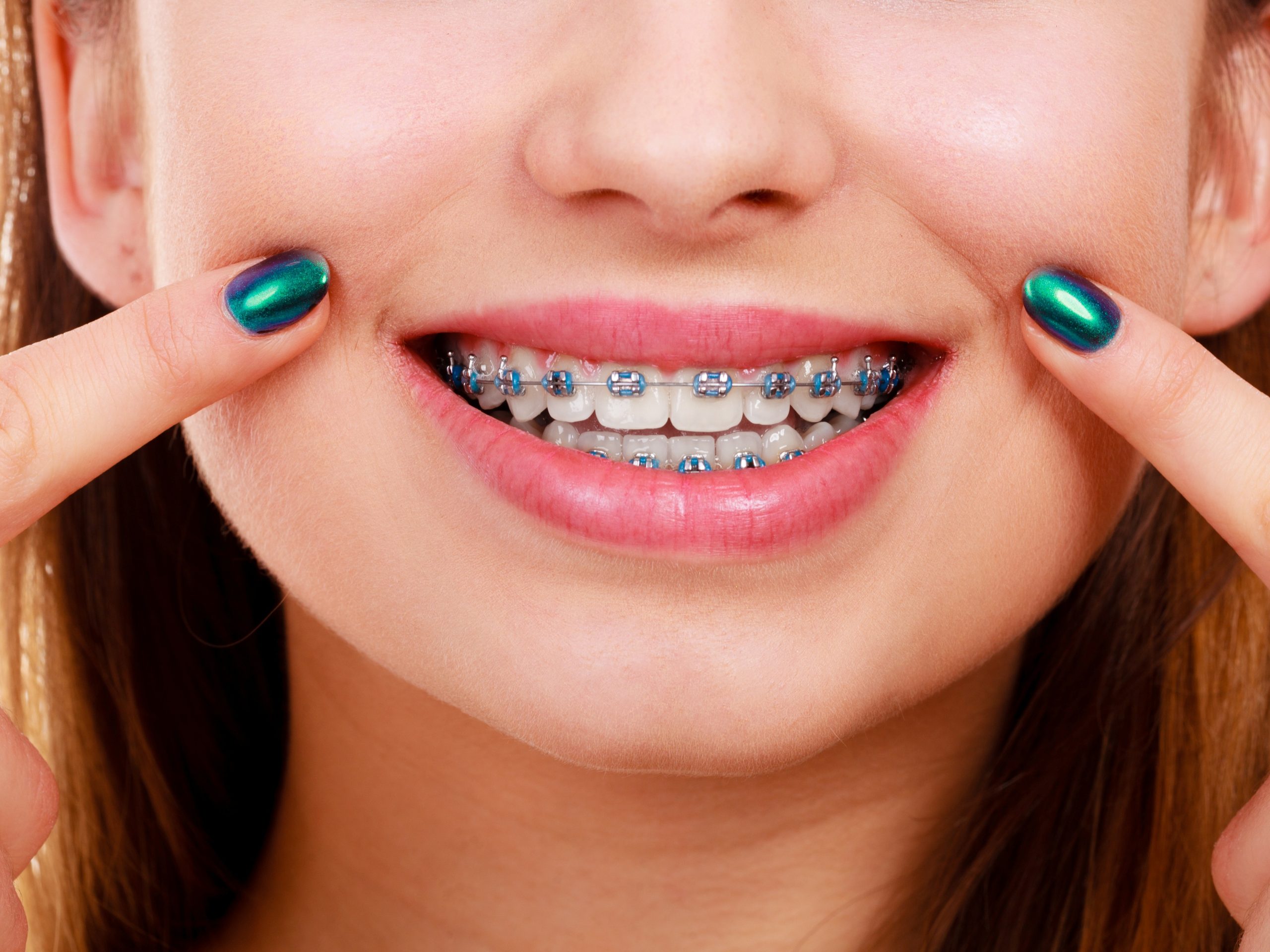
Brackets are bonded to individual teeth and connected by an orthodontic wire that helps guide tooth movement. When a bracket becomes detached from the tooth, it often remains connected to the wire rather than falling out completely. The teenager may notice that it slides slightly, moves when touched by the tongue, or feels different while chewing. Although this can be uncomfortable, a loose bracket is not automatically an orthodontic emergency.
The situation changes when the breakage affects other parts of the appliance. A displaced wire may begin rubbing against the cheek, while a loose component can sometimes interfere with biting or cause irritation. We need to distinguish between an appliance that is simply no longer functioning as intended and one that is creating an immediate problem with comfort or safety.
For example, a teenager might notice a loose bracket after eating dinner and become concerned because they have an important presentation the following morning. If the bracket remains on the wire and is not causing discomfort, we may determine that a repair can be arranged without disrupting the event. However, if a wire is digging into the cheek and making normal speech painful, the situation deserves more prompt attention.
We also want to know whether the breakage followed an injury. A bracket that becomes loose while eating is different from one damaged by a direct impact to the mouth during sports. If there has been trauma, we may need to assess the teeth and surrounding tissues, not just the orthodontic appliance. Significant bleeding, a displaced tooth, severe pain, or other signs of injury require prompt professional evaluation.
How To Handle Braces Problems Before An Important Event
Once we understand the nature of the breakage, the next consideration is how it may affect the teenager’s plans. Different activities place different demands on the mouth, so advice that makes sense before a school concert may not be appropriate before a hockey tournament.
Here are some practical situations we help families navigate:
- School presentations and performances: A loose bracket may feel distracting when speaking, singing, or playing certain musical instruments. If the appliance is irritating the lips or cheeks, we can advise whether an appointment is needed and recommend appropriate temporary comfort measures. The priority is making sure the teenager can participate without persistent pain.
- Sports competitions: Contact sports introduce the possibility of another impact to the mouth. If a bracket has broken or a wire has shifted, we need to consider whether the teenager’s orthodontic mouthguard still fits correctly. A damaged appliance or poorly fitting mouthguard should be assessed before participation in activities where facial contact is likely.
- School dances and special dinners: A teenager may be more worried about how the broken bracket looks than how it feels, particularly when photographs or a special meal are involved. If the appliance is otherwise comfortable, we can discuss the appropriate timing for repair. Until then, avoiding hard, sticky, or crunchy foods can help prevent additional damage.
- Weekend trips and family vacations: Being away from the usual orthodontic practice creates a practical challenge if something becomes uncomfortable later. Before departure, families can contact us to explain the problem and travel schedule. Depending on the circumstances, we may arrange an assessment or provide guidance about what would require local dental attention while they are away.
- Events happening outside regular office hours: A bracket can become loose when the practice is closed. Orthodontic wax may help protect the cheek from minor irritation when used as directed, but it does not repair the bracket. Families should follow the practice’s after hours instructions and seek urgent care when symptoms indicate a more serious problem.
A photograph can sometimes help us understand what the family is describing, particularly when the teenager cannot easily explain which component has moved. However, photographs do not replace an examination when there is significant discomfort or a suspected injury. We can use the information provided to recommend the next appropriate step.
Can A Broken Bracket Delay Orthodontic Treatment?
After the immediate problem is managed, parents often wonder whether the breakage will extend the time their teenager needs braces. The answer depends on the movement that particular bracket was responsible for and how long it remains detached.
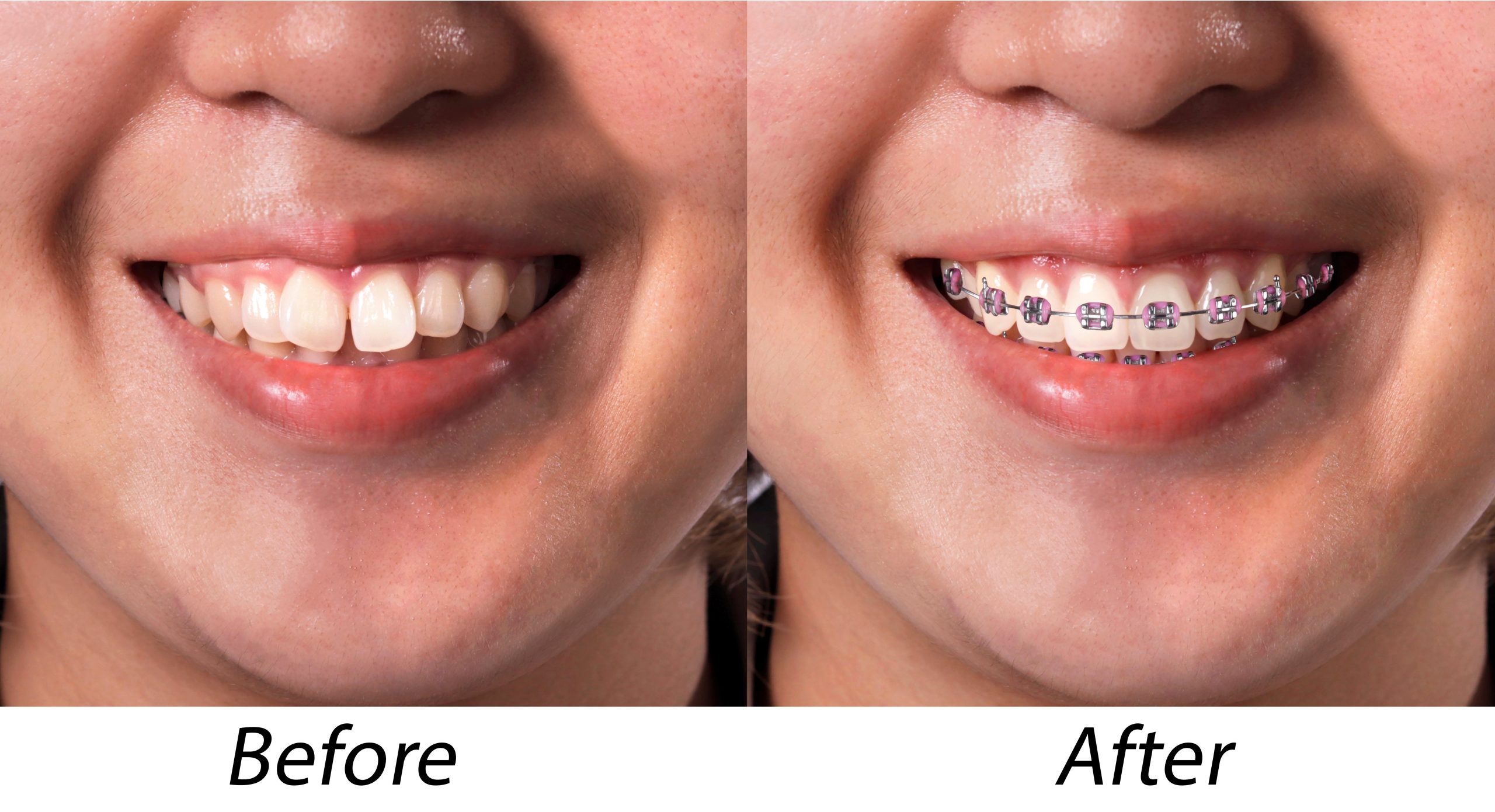
During treatment, each bracket helps connect a tooth to the orthodontic wire. When that connection is lost, the tooth may no longer receive the forces intended for its current stage of movement. Other teeth can continue responding to their appliances, but the affected tooth may stop progressing as planned until the bracket is repaired.
The consequences can be particularly noticeable during the finishing stages of treatment. Imagine a teenager whose teeth are already looking straight, but we are still correcting a small rotation in an upper lateral incisor. If the bracket on that tooth comes loose, the movement we are trying to complete may be interrupted. Even though the change is barely noticeable to the teenager, it may be important to achieving the intended final alignment.
Earlier in treatment, a detached bracket can have a different effect. We may be using the wire to bring several crowded teeth into alignment, and losing the connection to one tooth can interrupt its participation in that process. Whether this creates a meaningful delay depends on the individual treatment plan, the duration of the interruption, and what we find when the bracket is repaired.
One broken bracket does not automatically add weeks or months to treatment. However, repeated interruptions can make progress less predictable, especially when the same tooth repeatedly loses its connection to the appliance. This is why we document the breakage, assess the affected movement, and determine whether any changes to the treatment schedule are necessary.
Why Some Brackets Keep Breaking In The Same Place
An occasional broken bracket may result from biting something particularly hard or placing unexpected pressure on the appliance. When the same bracket repeatedly comes loose, however, we want to investigate the reason rather than simply bond it back into position again.
One possibility is interference from the opposing teeth. As orthodontic treatment changes the bite, a tooth may begin contacting a bracket in a way that places excessive pressure on the bond. This can happen even when the teenager is following dietary instructions carefully. In that situation, replacing the bracket without addressing the contact may lead to another breakage.
We might see this in a teenager whose lower teeth contact an upper bracket during chewing. The family may initially assume that the bracket keeps failing because of something the teenager is eating. During the examination, however, we can identify the contact pattern and determine whether the bracket position or another aspect of the appliance needs adjustment. The problem is mechanical rather than simply behavioural.
Other factors can contribute as well. Certain tooth surfaces or existing dental restorations can make bonding more challenging, while habits such as chewing ice, biting pens, or frequently eating hard foods can place repeated stress on the appliance. We consider the circumstances surrounding each breakage instead of automatically assuming the same cause applies to every patient.
For teenagers, this distinction matters because repeated appliance problems can become frustrating. A teen who has already had the same bracket repaired twice may begin to feel that treatment is going badly. Identifying the actual cause gives us an opportunity to address the problem more effectively and explain what, if anything, needs to change.
Braces In Surrey For Teens
Your teenager should be able to look forward to school activities, celebrations, and sports without feeling that a loose bracket has ruined the occasion. If something breaks, tell us what happened and whether there is any discomfort or injury. We can assess the situation and help you determine the appropriate next step.
If your teen has braces in Surrey, contact PacificWest Dental Group when an unexpected appliance problem occurs by clicking here. If you prefer, you can also call us on (604) 558-0993. Our team can arrange the care needed and help your family manage the situation with clear, practical guidance.

Hello! I’m Dr. Kevin Lee, a certified orthodontic specialist at PacificWest Dental Group, proudly serving the vibrant communities of Vancouver and Surrey. My journey into orthodontics began back in high school. As a teenager wearing braces, I became fascinated by the intricate blend of art, engineering, and biology that defines this field. This early experience ignited a passion that has guided me throughout my career.
I pursued my academic journey at the University of British Columbia (UBC), where I earned a Bachelor of Science in Biochemistry in 2006, followed by a Doctor of Dental Medicine in 2011. After a year-long residency at Montefiore Medical Center in New York, I returned to UBC to complete a combined Master of Science in Craniofacial Biology and a Diploma in Orthodontics in 2015. That same year, I achieved certification from both the Royal College of Dentists of Canada and the American Board of Orthodontics.
With over a decade of clinical experience, I remain deeply committed to staying at the forefront of orthodontic advancements. At PacificWest Dental Group, we prioritize personalized treatment plans tailored to each patient’s unique needs, ensuring comfort and care every step of the way. Our goal is to help you achieve the smile you’ve always dreamed of in a welcoming and supportive environment.
Outside the clinic, I enjoy engaging with our community and staying active. Whether it’s through local events or outdoor activities, I believe in building strong relationships both inside and outside the office. I look forward to meeting you and working together to create a beautiful, confident smile.
Services we provide:
-Invisalign
-Braces
-Lingual Braces
-Digital treatment planning
-TMJ and headpain treatment
-Laser Therapy
-Sleep Apnea Oral Appliance
-Dysport Cosmetic Injectables