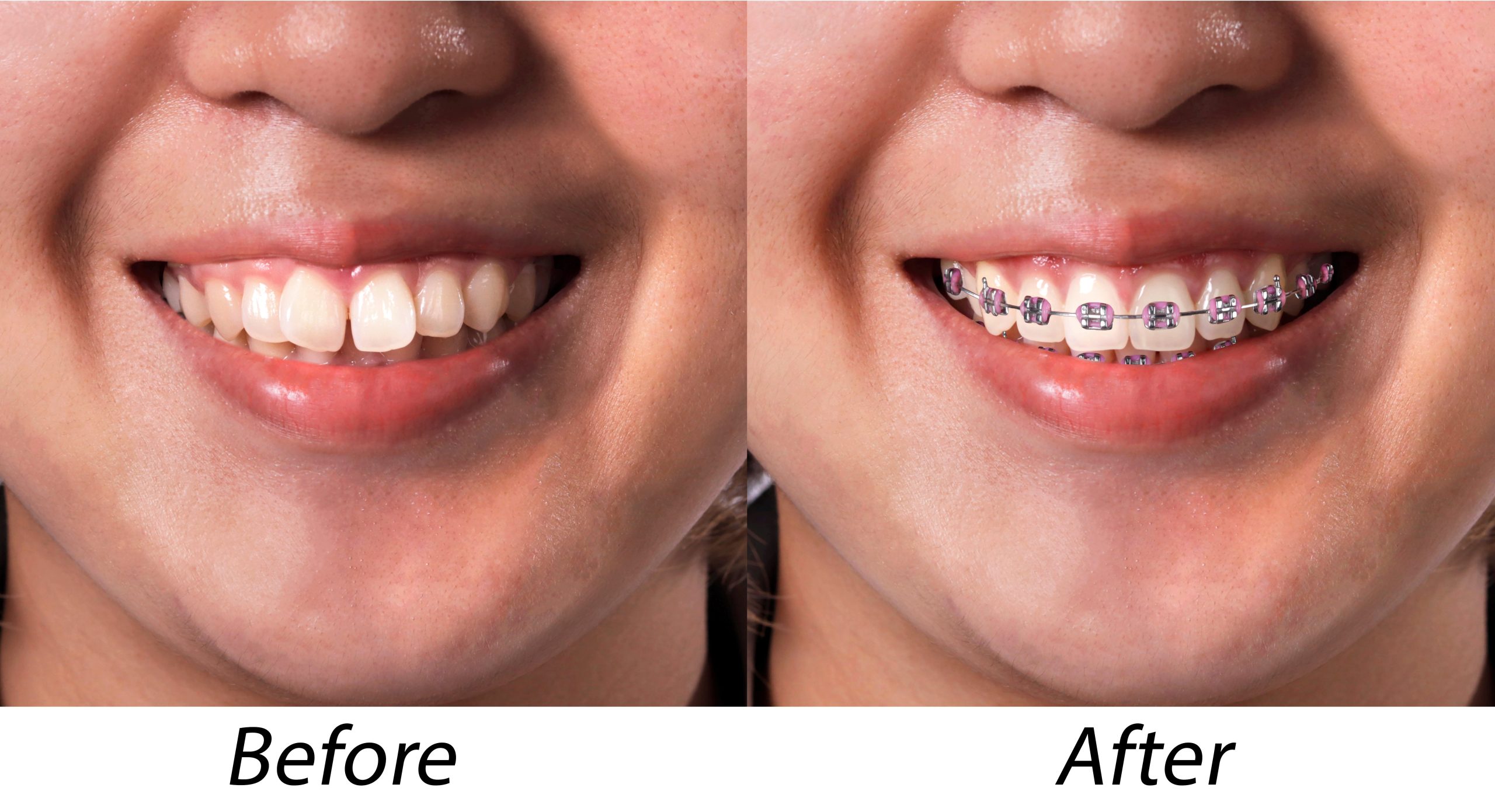

When parents think about orthodontic problems, they usually focus on what they can see. Crooked teeth, gaps, crowding, or a smile that looks uneven tend to attract attention quickly because they are visible every time a child smiles. Bite problems are different. Many of them develop quietly, without obvious symptoms, and can go unnoticed for years because a child’s teeth may appear relatively straight from the front.
One of the most common things orthodontists hear from parents is: “I thought everything looked fine.” In many cases, they are right from a cosmetic perspective. The issue is that orthodontic health involves much more than appearance. How the upper and lower teeth fit together affects chewing, speech, comfort, jaw development, and even how teeth wear over time.
Some of the most important orthodontic concerns are not visible in school photos or family pictures. They become apparent only when an orthodontist evaluates how the entire bite functions.
Why Small Bite Problems Are Easy To Miss
Children adapt remarkably well to discomfort and functional limitations. If a bite problem develops gradually, they often learn to compensate without realizing anything is unusual. A child may chew primarily on one side, shift their jaw slightly when closing their mouth, or avoid certain foods because they are difficult to bite into. Since these habits develop slowly, they often feel normal to the child and therefore never become something they mention.
Parents naturally focus on the signs they can observe. They notice whether teeth look straight, whether brushing is going well, and whether there are any obvious concerns. What they cannot easily see is how the teeth meet when the child bites down, whether the jaw is moving symmetrically, or whether certain teeth are carrying more pressure than they should. These are the kinds of details orthodontists evaluate every day, and they are often where small issues first appear.
The challenge is that many bite problems do not become easier to treat by waiting. Some become more noticeable as permanent teeth erupt, while others begin affecting growth patterns during important developmental years. Identifying them early does not necessarily mean treatment starts immediately, but it allows families to monitor the situation and make informed decisions.
The Subtle Signs Orthodontists Pay Attention To
Many bite issues first reveal themselves through patterns that seem unrelated to orthodontics. Parents may notice one symptom without realizing it is connected to how the teeth and jaws fit together. When several of these signs appear together, they often provide valuable clues that a professional evaluation would be beneficial.
- A child consistently chewing on one side of the mouth because that side feels more comfortable or efficient;
- Difficulty biting into foods such as sandwiches, apples, or pizza, even when there are no obvious dental problems;
- Teeth that appear to fit together awkwardly when the mouth closes, even if the smile itself looks straight;
- Frequent mouth breathing, which can influence facial development and jaw positioning over time;
- Speech patterns that seem slightly unusual, particularly with sounds that require precise tongue and tooth placement;
- A lower jaw that appears to shift to one side when biting down or speaking;
- Excessive wear on certain teeth despite the child’s young age;
- Complaints of jaw fatigue, clicking, or discomfort during chewing.
What makes these signs important is that they often appear long before significant cosmetic changes become visible. An orthodontist is trained to connect these seemingly separate observations and determine whether they point to an underlying bite issue.
A Common Situation We See In Practice
A good example involves children whose front teeth appear relatively straight, leading parents to assume everything is progressing normally. During a routine orthodontic evaluation, however, it becomes clear that the back teeth are not fitting together properly. The child has unconsciously learned to move their jaw slightly to one side every time they bite down.
Because this adjustment has become automatic, the child never complains. Parents see straight teeth and a healthy smile, so there is no obvious reason to suspect a problem. Yet over time, that small shift can place uneven pressure on the teeth and jaw. Left unaddressed, it may contribute to wear patterns, bite imbalances, or more complex orthodontic needs later.
Situations like this are one reason orthodontists focus heavily on function, not just appearance. A smile can look healthy while still hiding bite relationships that deserve attention.
Why Early Evaluation Matters Even When Nothing Looks Wrong
Many parents assume orthodontic evaluations are only necessary once visible crowding or alignment problems appear. In reality, some of the most valuable consultations happen when there are no obvious concerns at all. Early assessments allow orthodontists to observe how the teeth, jaws, and facial structures are developing together.
This does not mean every child needs immediate treatment. In fact, many evaluations end with a recommendation to simply monitor growth over time. The benefit is that families gain a clearer understanding of what is developing normally and what may need attention in the future. That information can help prevent surprises and create more treatment options if intervention eventually becomes necessary.
Parents often feel reassured after these visits because they move from uncertainty to understanding. Instead of wondering whether something is wrong, they have a professional assessment based on the child’s specific development.
Orthodontist In Surrey: Supporting Healthy Development
The bite issues that matter most are often not the ones families notice immediately. Many develop quietly, hidden behind otherwise healthy-looking smiles, which is why professional evaluation plays such an important role in orthodontic care.
At PacificWest Dental Group, we help families in Surrey understand not only how their child’s teeth look today, but how their bite and jaw development may affect long-term oral health. If you have questions about your child’s growth, chewing habits, or overall orthodontic development, get in touch with us and we can help you gain clarity about the next steps.

Hello! I’m Dr. Kevin Lee, a certified orthodontic specialist at PacificWest Dental Group, proudly serving the vibrant communities of Vancouver and Surrey. My journey into orthodontics began back in high school. As a teenager wearing braces, I became fascinated by the intricate blend of art, engineering, and biology that defines this field. This early experience ignited a passion that has guided me throughout my career.
I pursued my academic journey at the University of British Columbia (UBC), where I earned a Bachelor of Science in Biochemistry in 2006, followed by a Doctor of Dental Medicine in 2011. After a year-long residency at Montefiore Medical Center in New York, I returned to UBC to complete a combined Master of Science in Craniofacial Biology and a Diploma in Orthodontics in 2015. That same year, I achieved certification from both the Royal College of Dentists of Canada and the American Board of Orthodontics.
With over a decade of clinical experience, I remain deeply committed to staying at the forefront of orthodontic advancements. At PacificWest Dental Group, we prioritize personalized treatment plans tailored to each patient’s unique needs, ensuring comfort and care every step of the way. Our goal is to help you achieve the smile you’ve always dreamed of in a welcoming and supportive environment.
Outside the clinic, I enjoy engaging with our community and staying active. Whether it’s through local events or outdoor activities, I believe in building strong relationships both inside and outside the office. I look forward to meeting you and working together to create a beautiful, confident smile.
Services we provide:
-Invisalign
-Braces
-Lingual Braces
-Digital treatment planning
-TMJ and headpain treatment
-Laser Therapy
-Sleep Apnea Oral Appliance
-Dysport Cosmetic Injectables