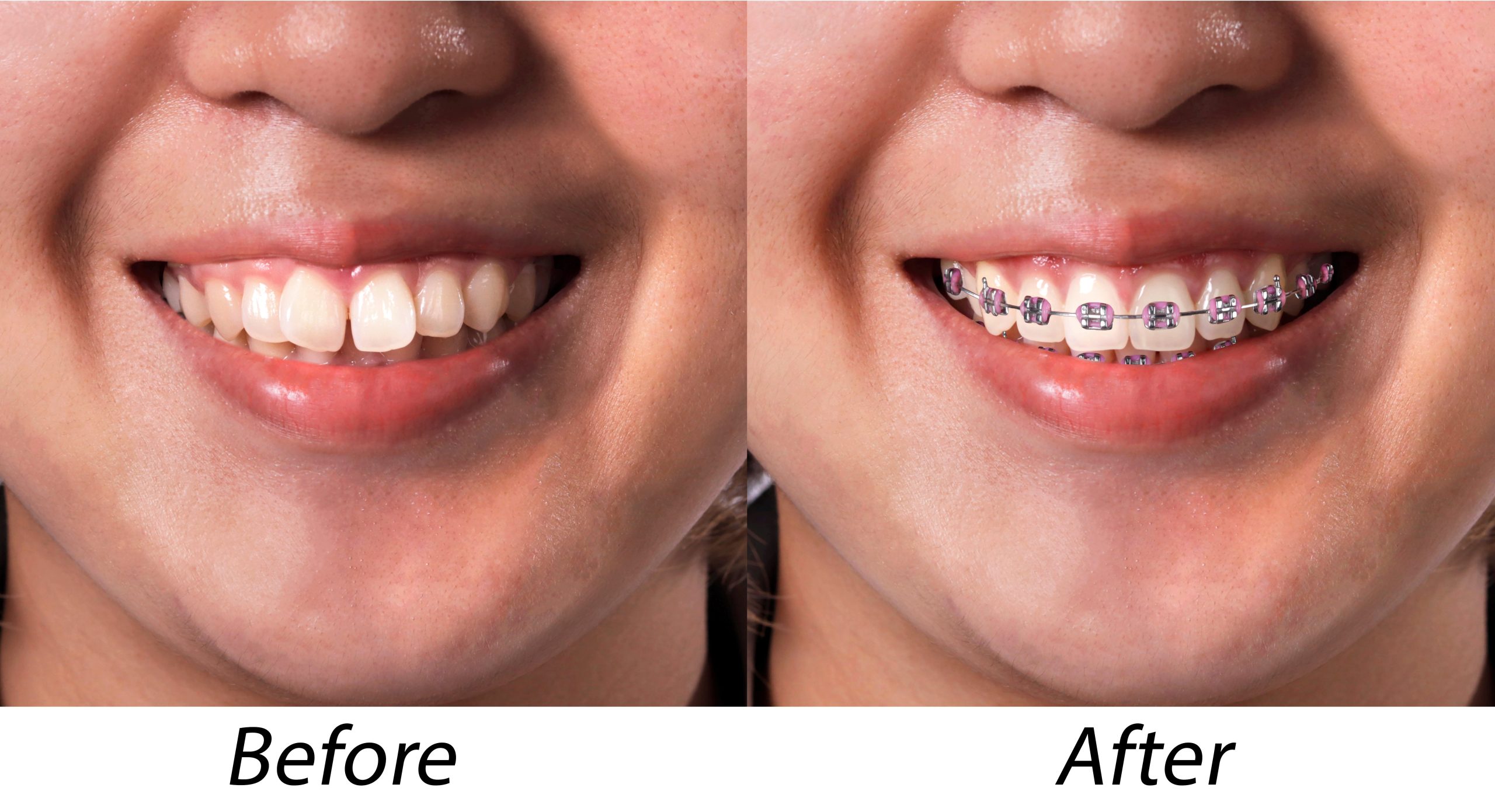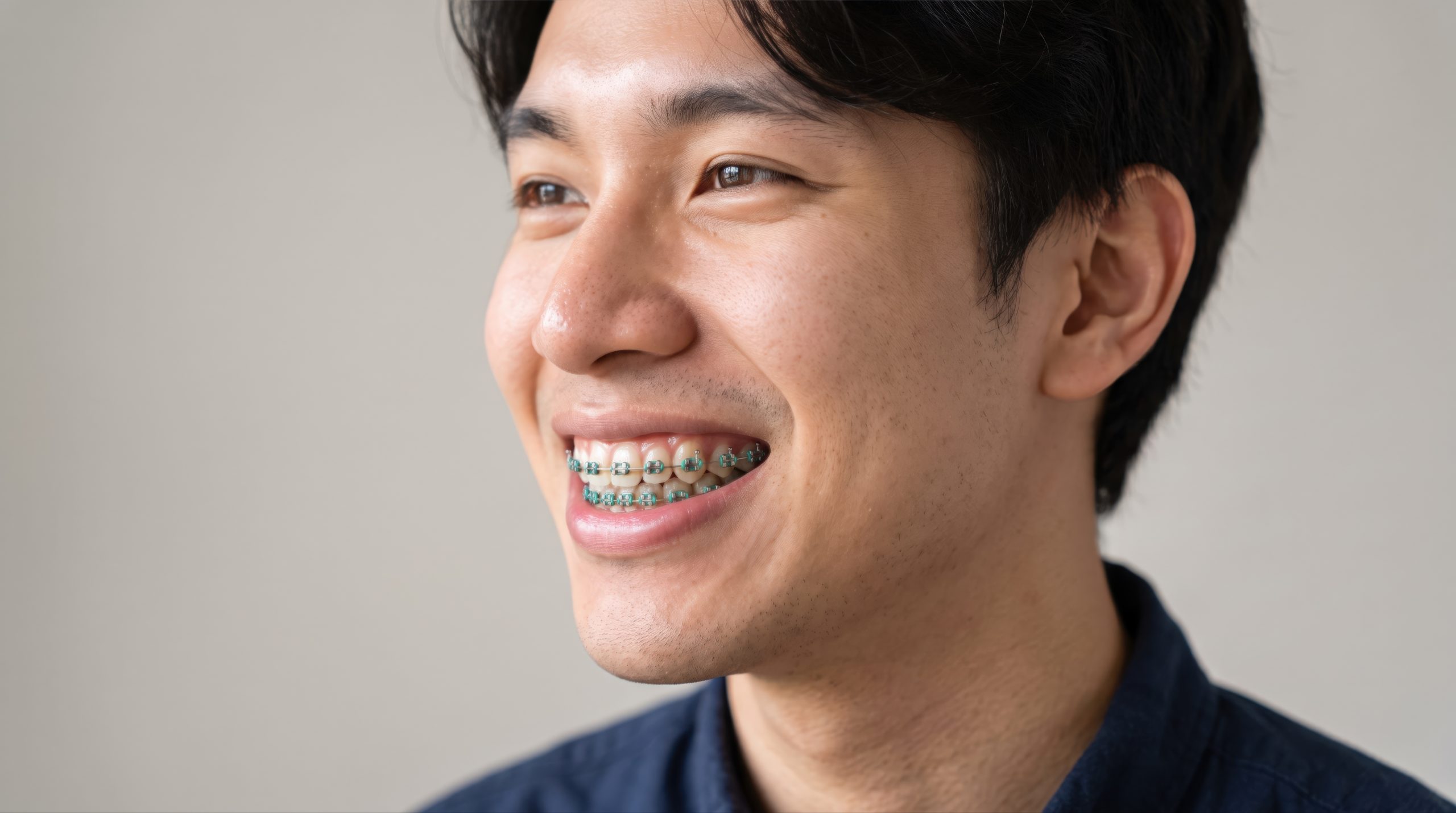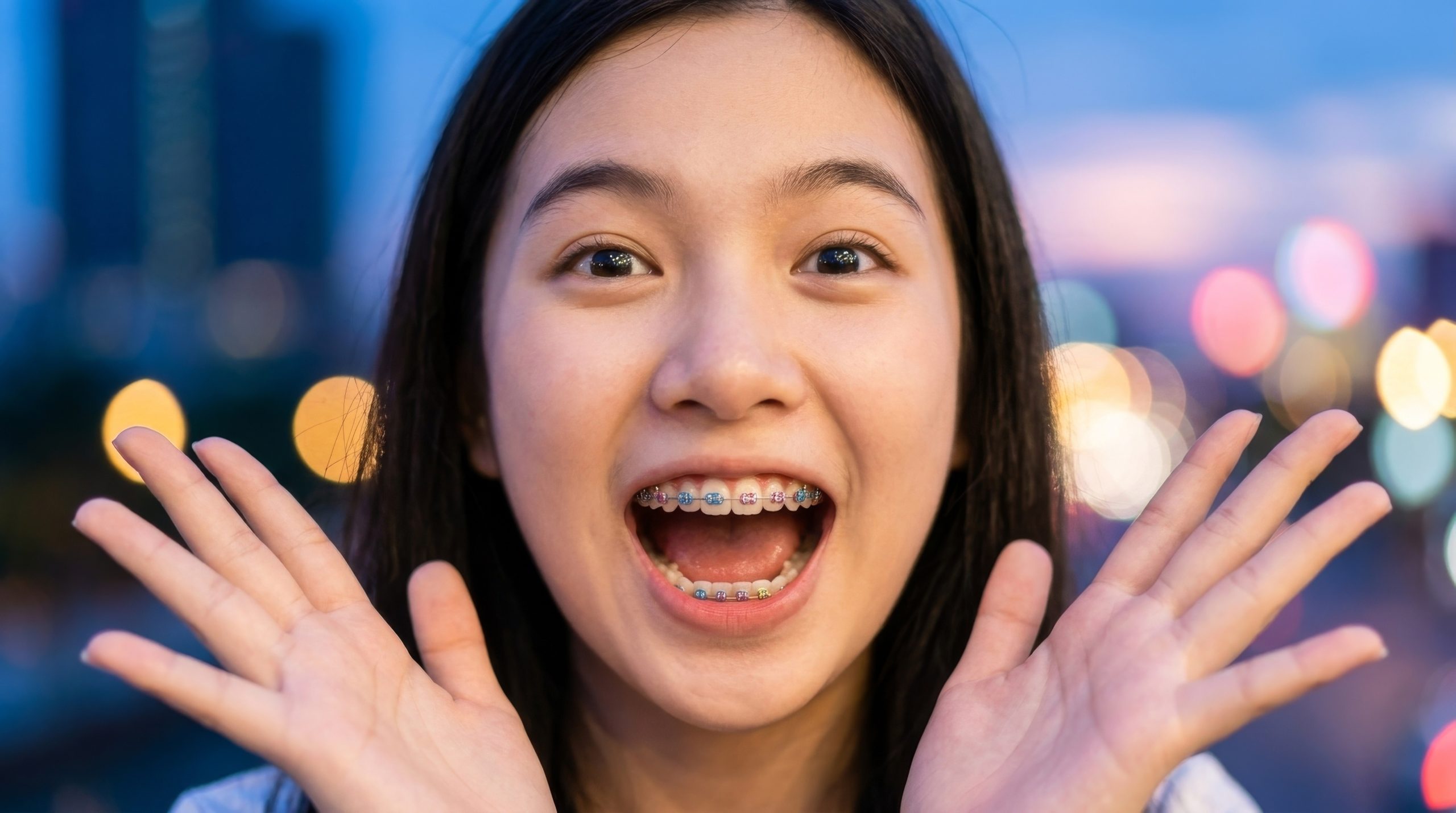

When parents think about orthodontic treatment, they usually focus on the final result. Straighter teeth, a healthier bite, and a better smile tend to dominate the conversation. What often goes unnoticed is that, for many teens, one of the first real changes has nothing to do with alignment at all. It happens socially and emotionally, sometimes long before major visible changes appear.
Confidence during orthodontic treatment rarely develops in a straight line. The first few weeks can feel uncomfortable and awkward, especially for teens who are already highly aware of appearance and social dynamics. But after that adjustment period, many patients begin experiencing subtle shifts in the way they speak, smile, participate, and interact with other people. Those changes are often more noticeable to parents and orthodontists than the movement of the teeth themselves.
The Emotional Adjustment Most Parents Do Not Expect
The beginning of treatment is usually the hardest stage emotionally. Many teens worry about how braces will look at school, whether people will comment on them, or whether they will feel different socially. Even teens who are genuinely excited about improving their smile can still feel self conscious once the braces are actually placed.
What surprises many parents is how quickly these worries often fade once treatment becomes part of normal life. Orthodontists see this pattern constantly. A teen who barely smiled during the first consultation may return a few months later talking more comfortably, laughing more openly, or participating more naturally in conversation, even though the visible alignment changes are still relatively small.
This shift usually happens because the anxiety surrounding braces is often worse before treatment than during it. Once the uncertainty disappears, teens stop imagining how others might react and start adapting to the reality of everyday life with braces. In many cases, their friends stop noticing long before they do.
The Moments That Quietly Build Confidence
Confidence during orthodontic treatment is rarely created by one dramatic moment. It tends to develop through smaller experiences that gradually change how teens feel socially and emotionally. Orthodontists and parents often notice patterns like these during the first several months of treatment:
- A teen who used to cover their mouth while laughing slowly stops doing it without realizing;
- School photos become less stressful because the focus shifts away from hiding the smile;
- Some teens begin speaking more comfortably in class once they stop feeling preoccupied with their teeth;
- Parents often notice more visible smiling in casual photos long before major alignment changes happen;
- Teens who were initially resistant to braces sometimes become highly engaged once they start noticing progress themselves;
- Social confidence often improves once braces stop feeling like something unusual and start feeling normal within their peer group.
These moments may seem small individually, but together they create a meaningful emotional shift that affects how teens carry themselves every day.
Why Early Confidence Changes Matter So Much
The emotional side of orthodontic treatment is easy to underestimate because it develops gradually. Parents often expect confidence to improve only after the braces come off, but many orthodontists notice that the process itself can positively affect self perception much earlier.
Part of this comes from feeling proactive. Teens often feel better when they know they are actively improving something that previously made them insecure. Even before dramatic cosmetic changes happen, the simple feeling of “working toward it” can reduce self consciousness.
There is also an important social element. Once braces become familiar, many teens stop seeing them as something negative and start viewing them as temporary and normal. This perspective shift matters because confidence is not only tied to appearance. It is tied to comfort, predictability, and feeling less focused on perceived flaws during daily interactions.
The Role Parents Play During This Stage
Parents influence this adjustment more than they often realize. Teens pay close attention to tone, reactions, and subtle comments during treatment. Supportive parents usually focus less on appearance and more on encouragement, consistency, and long term progress.
What tends to help most is maintaining a calm and practical attitude. When braces are treated as a normal part of life rather than a major problem or transformation, teens often adapt more naturally themselves. Giving them space to express frustration without immediately minimizing it also helps build trust during the harder adjustment periods.
Orthodontic treatment can become one of those experiences that quietly strengthens confidence over time, not because everything changes overnight, but because teens slowly become more comfortable with themselves during the process.
Braces In Surrey: Supporting More Than Just A Smile
Orthodontic treatment is not only about moving teeth into better positions. For many teens, it is also a period of emotional adjustment, growing self awareness, and gradually becoming more comfortable socially. Those changes often begin earlier than families expect, especially when treatment is approached with patience, support, and realistic expectations.
At PacificWest Dental Group, we understand that successful orthodontic care involves more than technical results alone. Our team works closely with teens and families in Surrey to create an experience that feels supportive, practical, and positive from the very beginning. Contact PacificWest Dental Group to schedule a consultation and learn more about how braces can support both long term oral health and growing confidence.

Hello! I’m Dr. Kevin Lee, a certified orthodontic specialist at PacificWest Dental Group, proudly serving the vibrant communities of Vancouver and Surrey. My journey into orthodontics began back in high school. As a teenager wearing braces, I became fascinated by the intricate blend of art, engineering, and biology that defines this field. This early experience ignited a passion that has guided me throughout my career.
I pursued my academic journey at the University of British Columbia (UBC), where I earned a Bachelor of Science in Biochemistry in 2006, followed by a Doctor of Dental Medicine in 2011. After a year-long residency at Montefiore Medical Center in New York, I returned to UBC to complete a combined Master of Science in Craniofacial Biology and a Diploma in Orthodontics in 2015. That same year, I achieved certification from both the Royal College of Dentists of Canada and the American Board of Orthodontics.
With over a decade of clinical experience, I remain deeply committed to staying at the forefront of orthodontic advancements. At PacificWest Dental Group, we prioritize personalized treatment plans tailored to each patient’s unique needs, ensuring comfort and care every step of the way. Our goal is to help you achieve the smile you’ve always dreamed of in a welcoming and supportive environment.
Outside the clinic, I enjoy engaging with our community and staying active. Whether it’s through local events or outdoor activities, I believe in building strong relationships both inside and outside the office. I look forward to meeting you and working together to create a beautiful, confident smile.
Services we provide:
-Invisalign
-Braces
-Lingual Braces
-Digital treatment planning
-TMJ and headpain treatment
-Laser Therapy
-Sleep Apnea Oral Appliance
-Dysport Cosmetic Injectables